DIY Self Esteem Assessment
by May Bleeker, 8 Aug 2009 (updated 3 Jul 2020)
The single most powerful thing you can do to grow self esteem is to increase your self awareness.
Doing your own self esteem assessment can be helpful as many people are unaware of how their level of self esteem affects their everyday choices.
Making a conscious effort to get to know yourself better is sometimes needed because there are things about ourselves that, at times, may be difficult to see. Things that influence our actions and keep us trapped in situations we do not want.
A crisis or life-changing event can sometimes break through our shell and allow a deeper understanding to emerge, but why wait for a crisis?
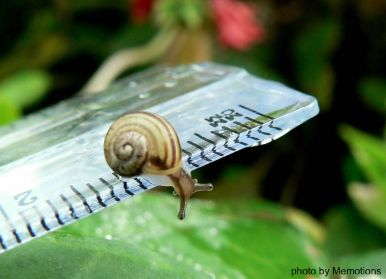
If you think that change is needed, getting to know yourself better will help you figure out what changes to make.
The following self esteem assessment questions are pointers to areas that might need your attention. If any of these ring true for you, use them as signposts to lead you to a better understanding of yourself.
DIY Self Esteem Assessment Questions
- Do you find it hard to stand up for yourself in some situations or with certain people?
- Do you tend to wait for others to say what they like or want and respond to this instead of making your own needs and wants clear upfront?
- Do you find it hard to make up your mind without speaking to a lot of people first?
- Do you like to check what other people think about a situation before making up your own mind or trusting your own perceptions?
- Have you missed some good opportunities because you were uncertain or took too long to decide?
- Are you an underachiever?
- Do you sell yourself short? E.g. automatically downplay your gifts and talents or discuss your shortcomings more easily than your strengths?
- Do you sometimes 'tune out' when things are not going so well?
- Are you a little vague about some parts of your life that make you feel uncomfortable?
- Do you find you are sometimes self-contradictory? For example, you value integrity, but don't have a problem sneaking into a show or making up an excuse now and again.
- Do you rely on others to tell you what looks good or bad on you?
- Do you find it difficult or embarrassing to accept praise?
- Do you earn less that you feel you deserve, based on the nature and quality of your work?
- Does the idea of asking for a raise seem like a massive challenge?
- Do you feel uncomfortable giving others negative or positive feedback?
- Do you feel guilty when something good happens to you, or someone does something nice for you?
- Would you sooner do something for someone else, than have them do something for you?
- Do you find it hard to accept help or gifts from people?
Self esteem assessment questions like these might help you identify the areas where you may have some self-limiting beliefs, or some skills you still need to learn.
Falling Asleep
One of the interesting things about being human is the way our minds work. Often, especially when things are not going too well, we find ways of avoiding the very information we need in order to change.
We dial our awareness down so that we can get by without too much pain and discomfort, instead of becoming more awake to our problems. We distract ourselves with things that keep our minds 'busy', and these things keep us from paying attention to the areas that are the source of our discomfort.
While this allows some temporary relief, it is only temporary because the source remains.
Our beliefs and ways of thinking keep us stuck. We keep on doing the same things and getting the same limited results. Portia Nelson's poem Autobiography in Five Short Chapters illustrates this very well.
The worst is when you cannot even recognize where the problem lies.
My own stuck record
For a while, no matter how many times I changed jobs I always ended up with a nightmare boss.
I could see there was a pattern. They were all female. They all had problems with relationships. They didn't respect personal boundaries and made outrageous demands.
And lastly, they were the meanest, most treacherous females you could ever imagine. They made the lives of their employees a stressful, living hell. This went on for years. I changed jobs. New job, same situation.
I felt like I was hammering my head against a brick wall, trying to figure out 'where I was going wrong'.
I needed a job, but I also wanted to be happy at work. Instead, I was stressed and anxious all the time, even when work itself was going well.
I was always having to guard against the next unpleasant surprise. I felt trapped. But doing something like a self esteem assessment never occurred to me at the time. Other than my work problems, I thought I was fine!
Eventually I realised it was this simple: if you don't like it, leave. If you don't want it, don't take it. If it hurts you, move away from it.
It took years for me to realise what stopped me from doing just that. Leaving was a scary prospect. Apparently so scary that I was willing to put up with lots and lots of pain and discomfort to avoid facing my fear.
Instead, I tried to 'make the best of things'. Although I thought my self awareness was high, there were part of myself I couldn't see clearly. My self esteem assessment was based on partial information.
Sometimes leaving means taking a big chance - especially when you live from one salary to the next, as I did. Eventually it got so bad that the pain of staying outweighed my fear of leaving without a safety net. I left.
It was the best thing I ever did! It was beautiful the way it worked out! I started working for myself and earned MORE doing so than I ever had working for those difficult women! But that's another story.
The point I am trying to make is that when you are in the thick of things you don't always see what's keeping you from getting out. And sometimes we even deceive ourselves without fully knowing what we are doing.
Sometimes we need to take action, even when we don't feel ready, before things will change for the better.
Now, when I look back I can see that it was my fear of not being able to support myself that kept me trapped in those unhappy situations. The relatively lower value I placed on my happiness vs my perceived security also kept me there.
Low self esteem tends to express itself in low expectations. You don't realise there is something better out there for you. You don't imagine things could be completely different. You figure you have to make do.
It was also my tendency to go along with things, instead of carving out my own path, that kept drawing me to people who tended to take advantage of my 'flexibility'.
And it was my inability to be clear about what I wanted, upfront, and to assert my rights, that allowed the insensitive and overbearing to run roughshod over my life.
It was no good, I discovered, trying to assert your rights after they've been stepped on. An unbiased self esteem assessment would have pointed out that I had some areas to work on.
At the time I thought I was very assertive (at times I was!), I thought I was brave (at times I was!), I was genuinely doing the best I could. But there were just things about myself I couldn't see clearly yet.
Thats why a DIY self esteem assessment is only as good as the level of self-honesty you can manage. But at least it can signpost potential problem areas.
If you recognize yourself in at least some of these questions - dig deeper. Only through increasing your self awareness can you build your self esteem.
Leap and the net will appear. - John Burroughs
Related Pages
- Self Esteem Home ›
- What is self esteem? ›
- Self Esteem Assessment


New! Comments
Your feedback is welcome: